Explore the innovation, impact, and future focus of computer technology, covering AI, quantum computing, cybersecurity, and IoT advancements.
Introduction
In the 21st century, computer technology has become the driving force behind nearly every aspect of modern life. From the smartphones in our pockets to the supercomputers predicting global weather patterns, computers have transformed how we communicate, work, learn, and innovate.
The rapid evolution of computing—from room-sized mainframes to AI-powered neural networks—has reshaped industries, economies, and even human behavior. Artificial Intelligence (AI), quantum computing, blockchain, and the Internet of Things (IoT) are no longer futuristic concepts but real-world technologies accelerating progress in healthcare, finance, education, and beyond.
This article dives deep into the innovation, societal impact, and future focus of computer technology, exploring:
- How computing has evolved from mechanical calculators to self-learning algorithms
- Breakthrough innovations like AI, cloud computing, and quantum processing
- The profound impact on businesses, healthcare, and daily life
- What’s next? Emerging trends like edge computing, 5G, and ethical AI
As we stand at the brink of a new technological revolution, understanding these advancements is crucial—not just for tech professionals, but for anyone navigating our increasingly digital world.
2. The Evolution of Computer Technology
The journey of computer technology is a remarkable saga of human ingenuity, spanning centuries of innovation. What began as simple counting tools has evolved into artificial intelligence systems capable of mimicking human thought. This section explores the key milestones in computing history, highlighting how each breakthrough paved the way for today’s digital revolution.
The Five Generations of Computing: A Transformational Timeline
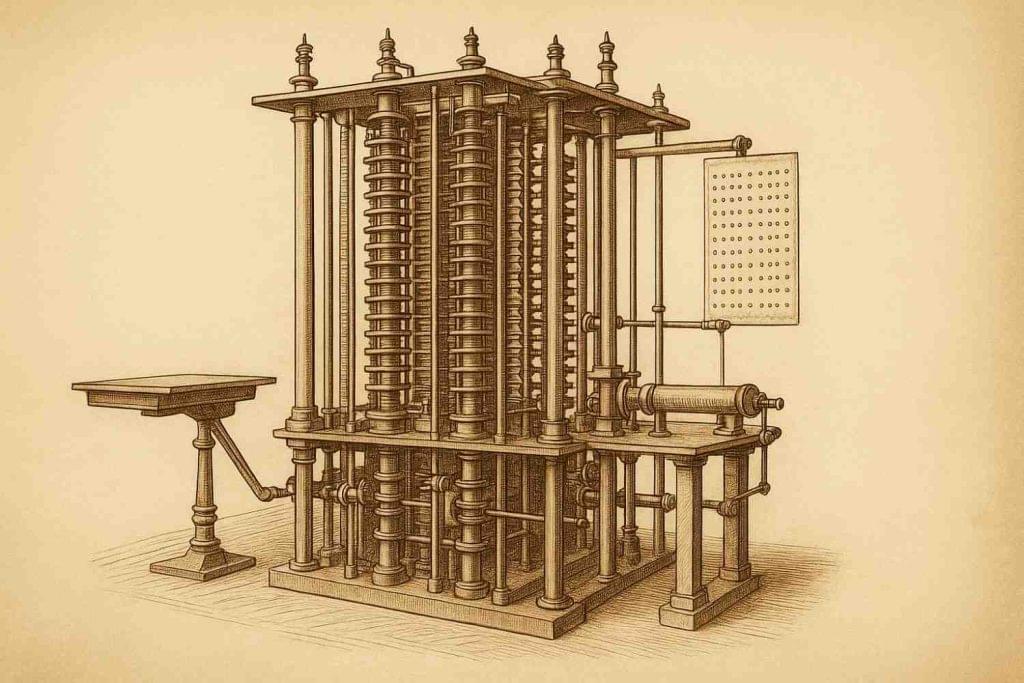
1. Mechanical Era (Pre-20th Century)
- Abacus (3000 BCE): The world’s first “computer,” used for basic arithmetic.
- Pascaline (1642): Blaise Pascal’s mechanical calculator for addition/subtraction.
- Analytical Engine (1837): Charles Babbage’s design for the first programmable computer (never built)
2. First Generation (1940s-1950s): Vacuum Tube Computers
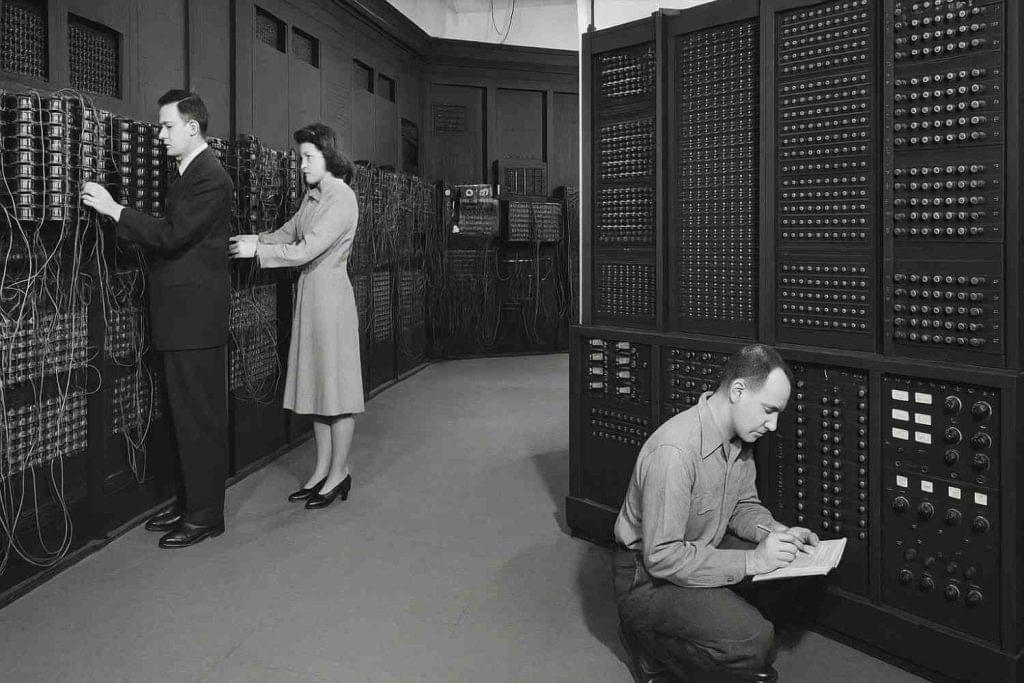
- ENIAC (1946): The first electronic general-purpose computer, weighing 27 tons.
- Colossus (1943): British code-breaking machine used in WWII.
- Key Features:
- Room-sized machines
- Consumed enormous power
- Programmed via punch cards
3. Second Generation (1950s-1960s): Transistors Replace Tubes
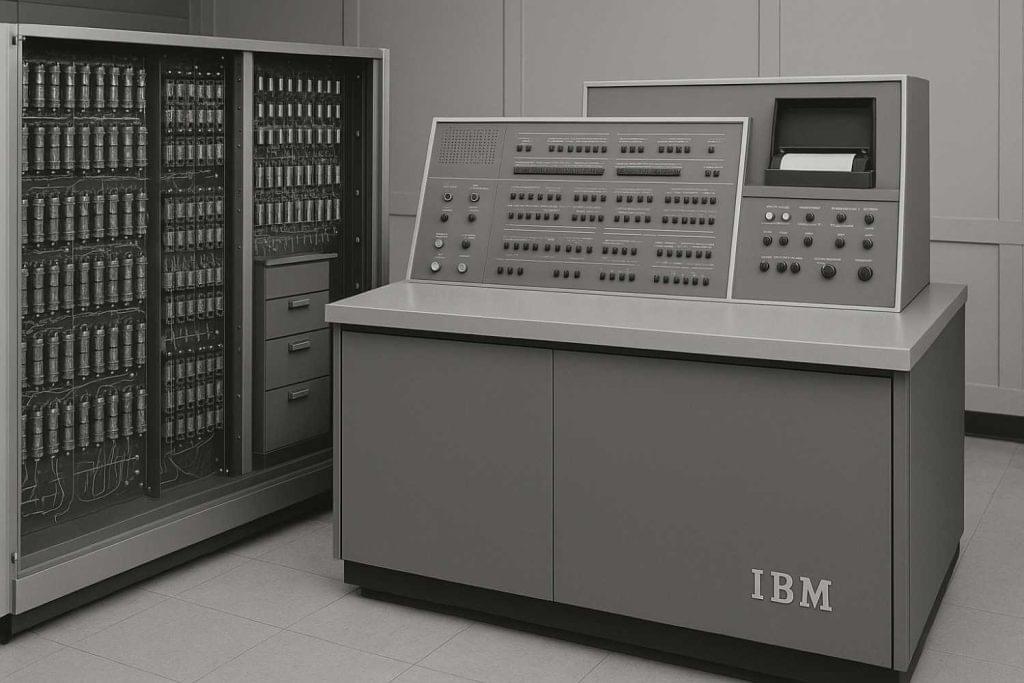
- IBM 1401 (1959): First commercially successful transistorized computer.
- UNIVAC (1951): First mass-produced computer (used for U.S. census).
- Key Advances:
- 100x smaller than vacuum tubes
- More reliable and energy-efficient
- Early programming languages (COBOL, FORTRAN)
4. Third Generation (1960s-1970s): Integrated Circuits & Minicomputers
- IBM System/360 (1964): First family of compatible computers.
- ARPANET (1969): Precursor to the modern Internet.
- Key Innovations:
- Silicon chips replaced individual transistors
- Birth of personal computing (Altair 8800)
- Graphical user interfaces (Xerox Alto)
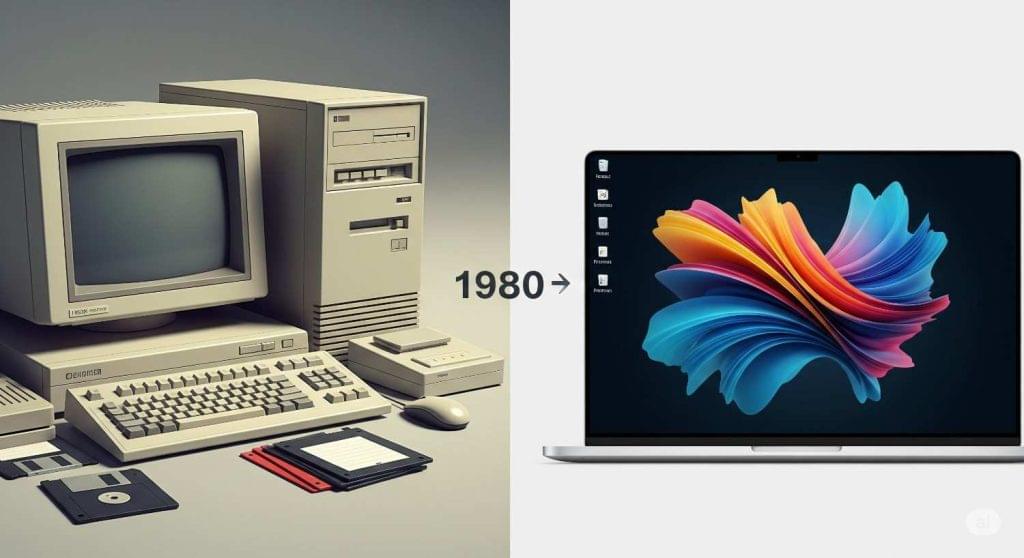
5. Fourth Generation (1970s-Present): Microprocessors & Personal Computing
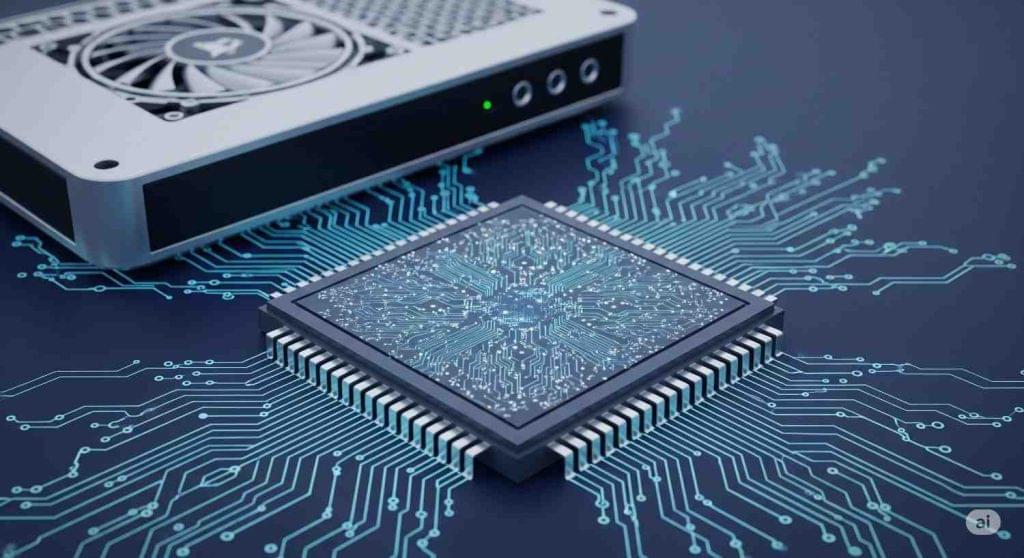
- Intel 4004 (1971): First commercial microprocessor.
- Apple II (1977) & IBM PC (1981): Made computers household items.
- Internet Boom (1990s): World Wide Web (Tim Berners-Lee, 1989).
- Mobile Revolution (2000s): Smartphones (iPhone, 2007) and cloud computing.
3. Key Innovations in Computer Technology
The relentless advancement of computer technology has given birth to revolutionary innovations that are redefining industries, economies, and daily life. From artificial intelligence to quantum supremacy, these breakthroughs push the boundaries of what machines can achieve. This section explores the most transformative computing innovations, their real-world applications, and how they are driving the next wave of digital transformation.
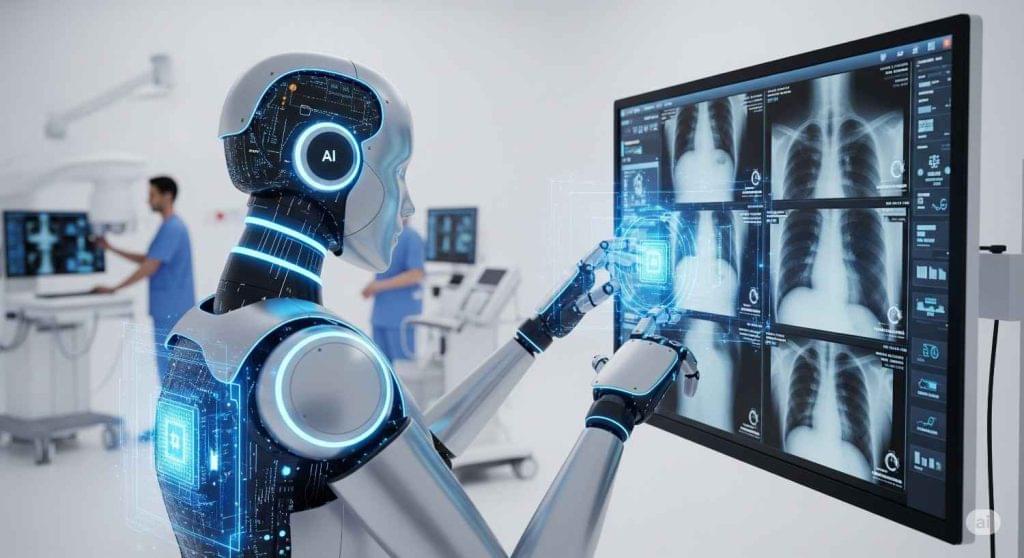
1. Artificial Intelligence (AI) & Machine Learning (ML)
Why It’s Revolutionary:
AI enables machines to learn, reason, and make decisions like humans—but at unprecedented speed and scale.
Key Developments:
- Deep Learning (2010s): Neural networks powering image/speech recognition (e.g., Google DeepMind, OpenAI GPT-4).
- Generative AI (2020s): ChatGPT, DALL·E, and Midjourney create human-like text, art, and code.
- Autonomous AI: Self-driving cars (Tesla, Waymo) and robotic automation (Boston Dynamics).
Impact:
✔ Healthcare: AI diagnoses diseases (IBM Watson) and accelerates drug discovery.
✔ Finance: Fraud detection (Mastercard AI) and algorithmic trading.
✔ Customer Service: Chatbots (Zendesk, Intercom) handle 80% of routine queries.
2. Quantum Computing
Why It’s Revolutionary:
Unlike classical bits (0 or 1), quantum bits (qubits) exist in multiple states at once, solving problems millions of times faster.
Key Developments:
- Google’s Quantum Supremacy (2019): Solved a task in 200 seconds that would take a supercomputer 10,000 years.
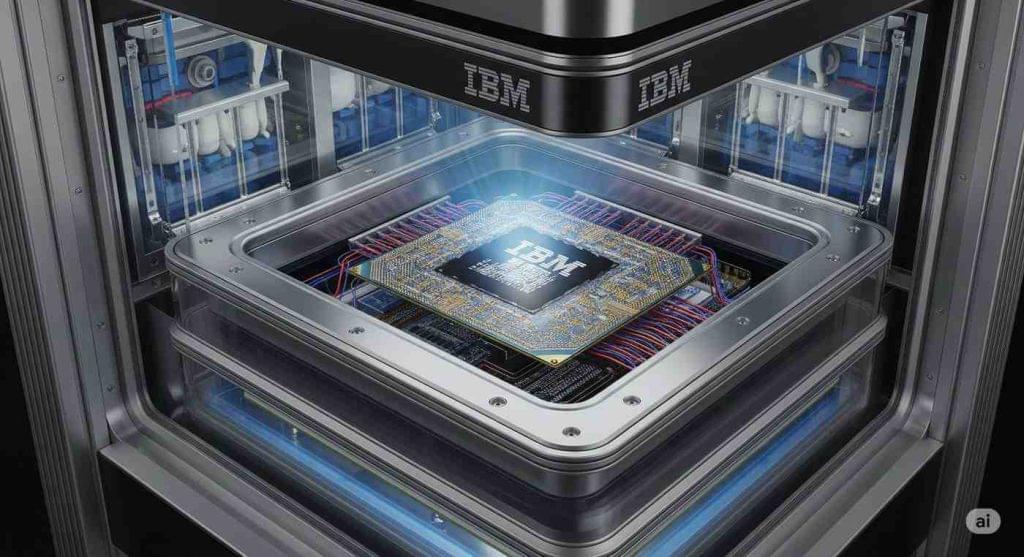
- IBM Quantum Roadmap (2023): 1,000+ qubit processors by 2025.
- Post-Quantum Cryptography: Preparing for unhackable encryption.
Impact:
✔ Drug Discovery: Simulating molecular interactions in seconds.
✔ Climate Modeling: Optimizing carbon capture and renewable energy.
✔ Financial Risk Analysis: Predicting market crashes with extreme precision.